
If your dentist has ever recommended a “deep cleaning,” you may have wondered how it differs from your usual visit — and the question of deep cleaning vs regular cleaning teeth is one of the most common we hear from patients in Tulsa, OK. The two procedures sound similar, but they serve very different purposes, take different amounts of time, and are recommended based on the health of your gums rather than just personal preference. Understanding the distinction helps you know what to expect, why your dentist is suggesting one over the other, and what’s truly at stake for your long-term oral health.
What a Regular Cleaning Does
A regular cleaning — known professionally as a prophylaxis — is the routine, preventive cleaning most healthy adults receive every six months. It focuses on the surfaces of your teeth at and slightly above the gumline. During the appointment, your hygienist removes the soft, sticky plaque that builds up daily, along with the hardened tartar that brushing and flossing can’t remove on their own. The teeth are then polished to leave a smooth, clean surface that resists new buildup.
The goal of a regular cleaning is maintenance. It’s designed for mouths where the gums are healthy and firmly attached to the teeth, with no significant pockets or bone loss. Think of it as preventive upkeep — the dental equivalent of a regular oil change. As long as your gum health stays stable, a routine cleaning twice a year, paired with good brushing and flossing at home, is usually all you need to keep decay and gum problems at bay.
What a Deep Cleaning Does
A deep cleaning is a therapeutic procedure, not a routine one. Clinically called scaling and root planing, it’s recommended when bacteria and tartar have spread below the gumline and the gums have begun pulling away from the teeth, forming pockets. This is the realm of gum disease, and it’s far more common than most people assume — research shows that roughly two in five adults over 30 have some form of it.
The procedure has two parts. First comes scaling, where the dentist or hygienist carefully removes plaque and tartar from above and below the gumline, cleaning all the way to the bottom of each pocket. Then comes root planing, which smooths the rough root surfaces so the gums can reattach and the pockets can shrink. Because this work goes beneath the gums, a local anesthetic is often used for comfort, and the cleaning may be split across more than one visit — frequently treating one half of the mouth at a time.
Deep Cleaning vs Regular Cleaning Teeth: The Key Differences
When you put the two side by side, the contrast becomes clear. The differences come down to depth, purpose, and who needs them:
- Depth: A regular cleaning works at and above the gumline; a deep cleaning works below it, inside the pockets.
- Purpose: A regular cleaning prevents problems; a deep cleaning treats an active one.
- Candidates: Regular cleanings suit healthy gums; deep cleanings are for patients with gum disease and pocketing.
- Time and visits: A regular cleaning is usually one short visit; a deep cleaning may require more time and multiple appointments.
- Comfort measures: Regular cleanings rarely need numbing; deep cleanings often involve local anesthetic.
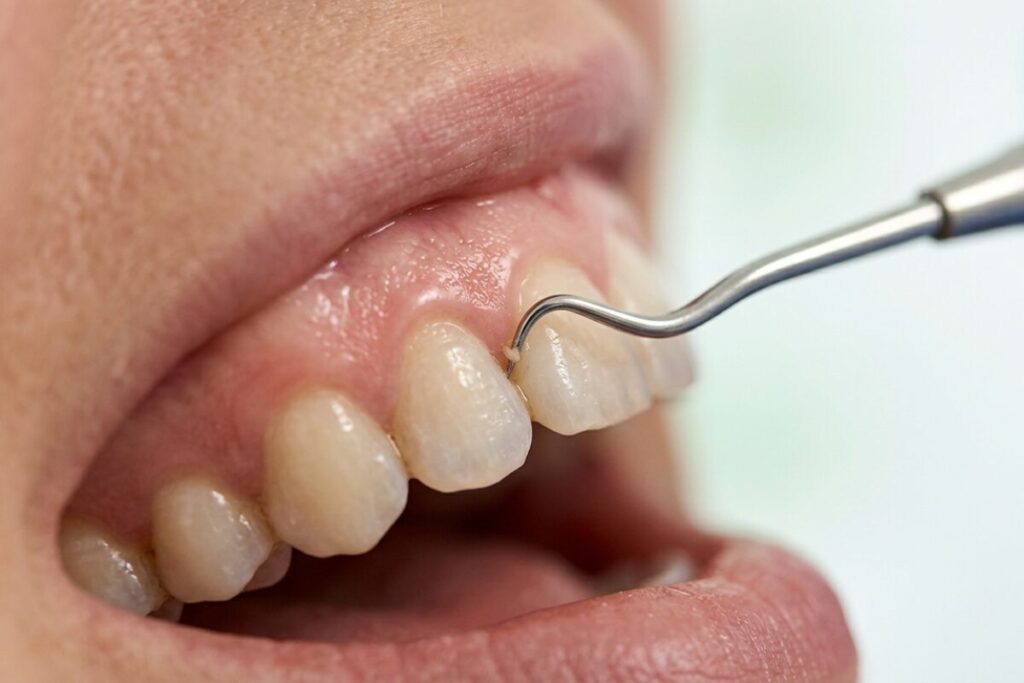
The single most important factor your dentist considers is the depth of the pockets between your gums and teeth, measured with a small probe during your exam. Shallow, healthy pockets point toward a routine cleaning. Deeper pockets, bleeding gums, and signs of bone loss indicate that a deep cleaning is the appropriate, and often necessary, step.
Why the Distinction Matters
Skipping a recommended deep cleaning in favor of a regular one might feel like saving time or money, but it can backfire. Untreated gum disease doesn’t stay still — it progresses, and in advanced stages it can damage the bone that holds your teeth in place, eventually leading to loose teeth or tooth loss. Beyond your mouth, the chronic inflammation associated with gum disease has been studied for its links to broader health concerns, which is one more reason dentists take pocketing seriously rather than simply polishing over it.
If your dentist has flagged early signs of gum disease, addressing it promptly is almost always easier and less expensive than waiting.
If you’re not sure whether your gums are healthy or you’ve been told you have deep pockets, schedule an evaluation with Tulsa Modern Dental so you can get a clear answer and the right cleaning for your situation.
Why Choose Tulsa Modern Dental
At Tulsa Modern Dental in Midtown Tulsa, OK, the recommendation between a regular and a deep cleaning is always grounded in your actual gum measurements and overall health — never in upselling. The team uses careful periodontal charting to show you exactly where your gums stand, explains what those numbers mean in plain language, and walks you through your options before any treatment begins. Patients value the transparency, the gentle and comfortable approach to deeper cleanings, and a staff that genuinely wants to help them keep their natural teeth. Routine checkups here are thorough, so problems are caught early when they’re easiest to treat.
Conclusion
The choice in deep cleaning vs regular cleaning teeth isn’t about preference — it’s about what your gums actually need. A regular cleaning maintains an already-healthy mouth, while a deep cleaning treats gum disease that has moved below the gumline. Knowing the difference empowers you to understand your dentist’s recommendations and act on them before small problems become serious ones. If you’re in Tulsa and it’s been a while since your last visit, a professional evaluation is the surest way to learn which cleaning is right for you and to keep your smile healthy for the long term.
Don’t let gum disease quietly advance. Book your cleaning and gum health assessment at Tulsa Modern Dental today and protect the foundation of your smile.
Frequently Asked Questions
What is the difference between a deep cleaning and a regular cleaning?
A regular cleaning removes plaque and tartar at and just above the gumline to maintain healthy gums. A deep cleaning, or scaling and root planing, goes below the gumline to treat gum disease and remove bacteria from periodontal pockets. The right one depends on the health of your gums.
Why does my dentist recommend a deep cleaning instead of a regular one?
A deep cleaning is typically recommended when there are signs of gum disease, such as deeper pockets between the gums and teeth, bleeding, or early bone loss. A regular cleaning only addresses the visible tooth surfaces and isn’t enough to treat infection below the gumline. Your dentist measures your pockets to determine which procedure you need.
Does a deep cleaning hurt?
A local anesthetic is often used to keep you comfortable during a deep cleaning, since the work goes beneath the gums. Afterward, you may have some tenderness or sensitivity for a few days. Most people find the procedure very manageable with proper numbing.
How often do I need a deep cleaning?
A deep cleaning is performed as needed to treat active gum disease, not on a fixed routine schedule. After treatment, your dentist may recommend more frequent maintenance cleanings to keep the condition under control. How often depends on how your gums respond and your individual risk.
Can I just get a regular cleaning if I have gum disease?
A regular cleaning generally isn’t sufficient to treat gum disease, because it doesn’t reach the bacteria and tartar trapped in deeper pockets below the gumline. Choosing a regular cleaning when a deep cleaning is needed can allow the disease to progress. Your dentist will advise the appropriate treatment based on your gum health.